Flow cytometry from Abcam

Flow cytometry from Abcam

July 15, 2019

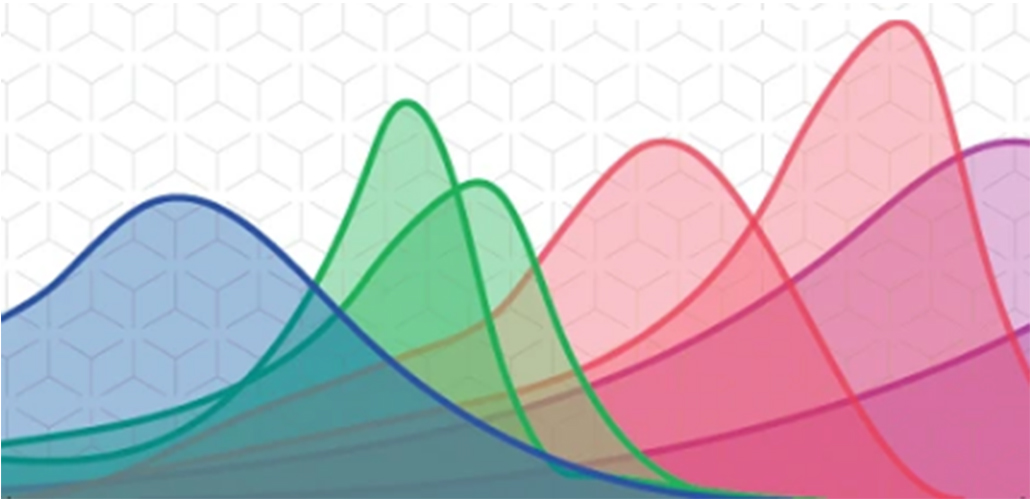
Flow cytometry is a popular laser-based technology to analyze the characteristics of cells or particles. It is predominantly used to measure fluorescence intensity produced by fluorescent-labeled antibodies detecting proteins, or ligands that bind to specific cell-associated molecules such as propidium iodide binding to DNA.

The staining procedure involves making a single-cell suspension from cell culture or tissue samples. The cells are then incubated in tubes or microtiter plates with unlabeled or fluorochrome-labeled antibodies and analyzed on the flow cytometer.

Click here to discover more about flow cytometry with Abcam!

Antibody products against PEG from Abcam!

Antibody products against PEG from Abcam!

Polyethylene glycol (PEG) is a synthetic polymer composed of repeating ethylene glycol (-CH2-CH2-O-) units. It has low toxicity, is strongly hydrophilic and has a large exclusion volume in aqueous solution. The covalent attachment of PEG (PEGylation) is commonly used to modify a variety of proteins and drugs. PEGylation can offer several benefits including decreased immunogenicity, increased bioavailability, and optimized pharmacokinetics5.


April 15, 2019 More +
New QIAseq miRNA Library Kit overcomes miRNA-seq challenges

New QIAseq miRNA Library Kit overcomes miRNA-seq challenges

microRNA sequencing is the future of gene regulation analysis, providing unmatched specificity for closely related microRNAs as well as the ability to detect novel noncoding transcripts. But challenges in the current workflow can cause up to half of microRNA sequencing data to be missed entirely.


January 04, 2017 More +
Ready to make an enquiry Call us on: + 961 1 39 66 77
Or email us